
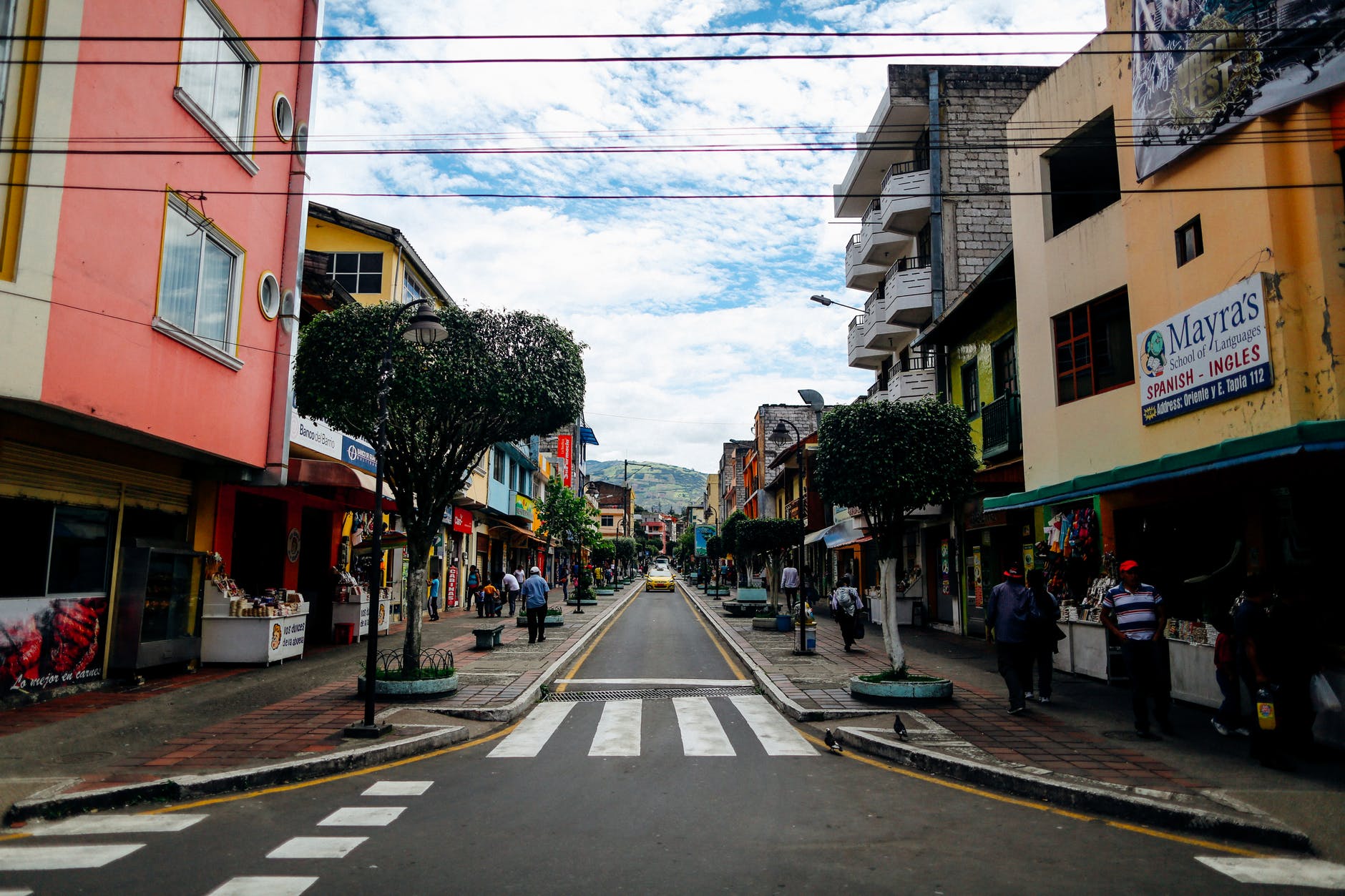
Ecuador is a country, rich in culture and diversity. Their diverse population is spread out over different regions such as coastal plains, Andean Mountains, and the Amazon basin. Because of both indigenous population and freed slaves that had relocated from other areas have resulted in a fusion of flavor profiles.
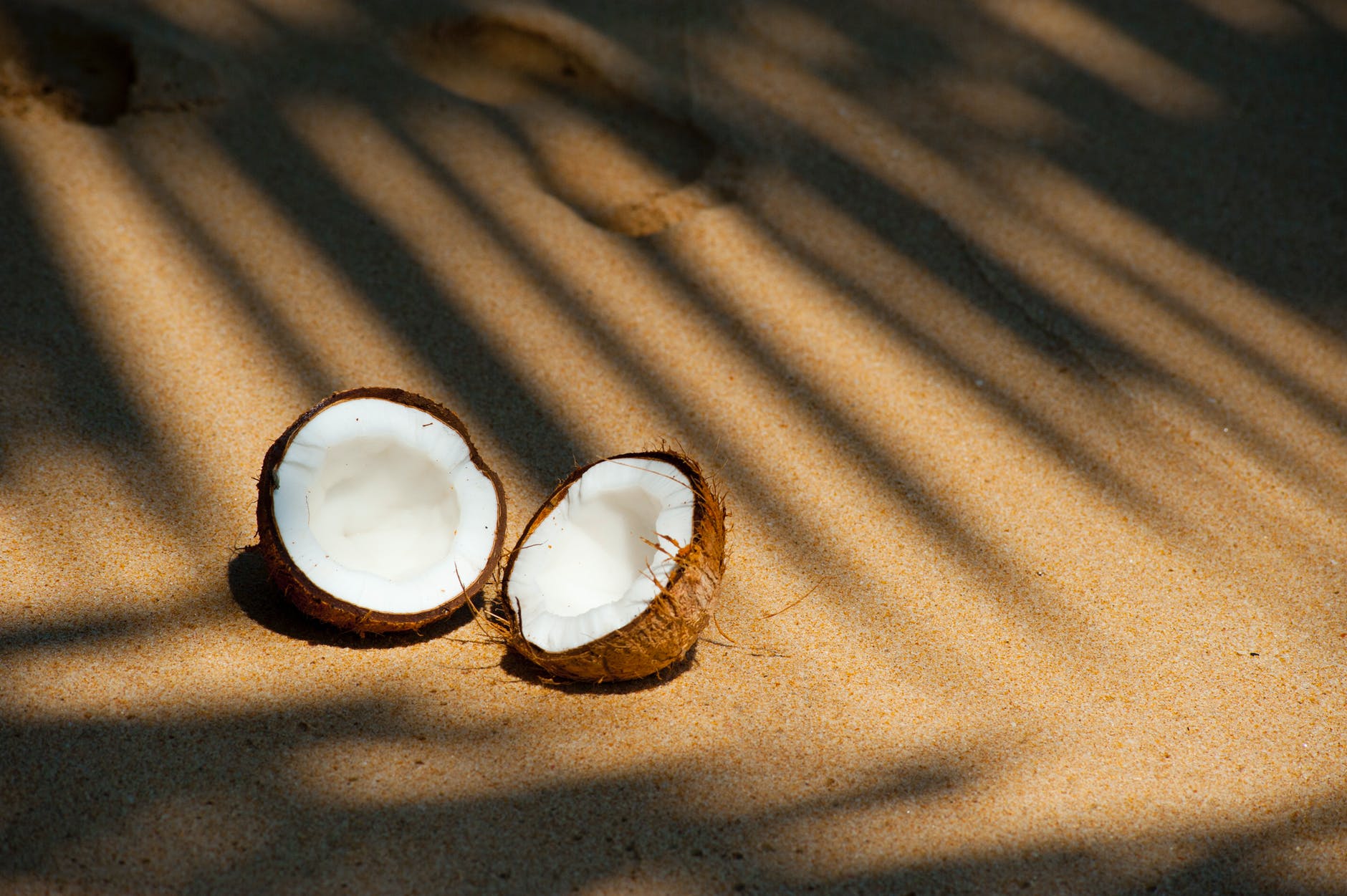
Walmsley says coconut milk, plantain and seafood and local herbs are all markers of the black culture that adds to different local cuisines. Along with the different flavors of food that is brought together, many attitudes and cultural ideas are brought together as well. Many Esmeraldas refer to the word “sazon”, which means flavor or seasoning. This term is not just used for food but also attitudes about people, mainly women. (Walmsley P.117)
Central Texas has a similar indigenous Mexican American population but also has large immigrant populations (one being Germany). Similar cultural and economic diversities exist in Texas. As such you can see the impact on this with the influences of regional favorite dishes and their fusing with other non-native cuisines. Additionally, cultural status is a predominate feature in how well a particular dish is prepared. For example, in San Antonio a local dish called Barbacoa which is considered a commoner dish has become a benchmark for many restaurants who claim to make the “authentic” and “best” Barbacoa in the city. Don’t get me started about the recommend pairing of beverage (yes, it’s Big Red).
Walmsley, E. (2019). Race, Place and Taste: Making Identities Through Sensory Experience in Ecuador. In 931979800 729880322 C. Counihan, 931979801 729880322 P. V. Esterik, & 931979802 729880322 A. P. Julier (Authors), Food and culture: A reader (pp. 110-126). New York, NY: Routledge.
 Sun Hugs