
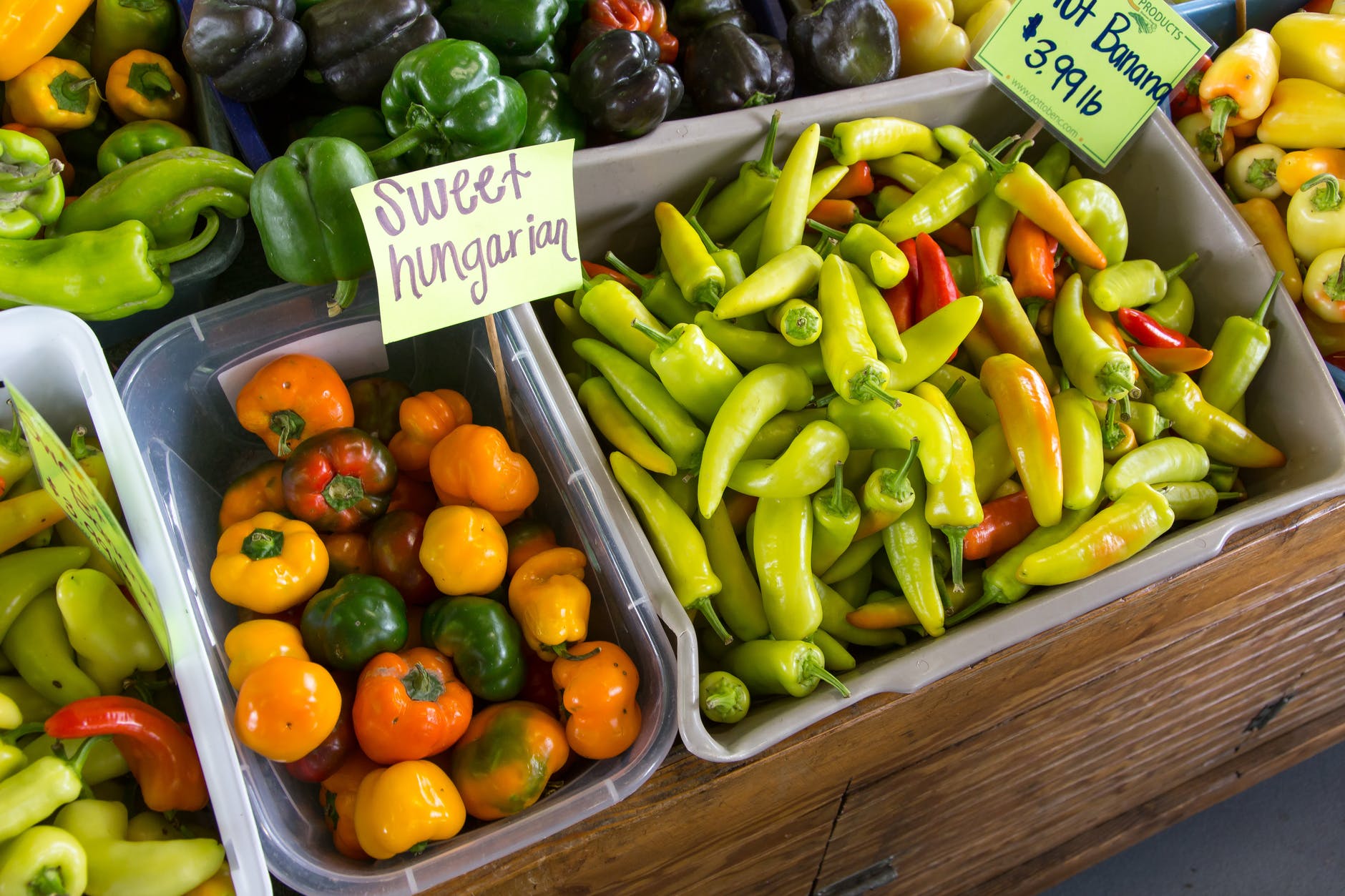
Farmers’ markets are a standard part of most cities and towns across the US. In San Antonio, places like the Pearl Brewery are popular places to go to experience local products. Not only is this a fun thing to experience, but it also greatly supports the local economy. Many farmers markets items tend to be more expensive than your average grocery store products. Around the U.S., local community advocates and health care officials have pushed for farmers’ markets to be a priority in communities. “A principle concern of Community Food Service activist has been improving poor people’s access to high quality, fresh food (Markowitz,2019)”.They aid in the well being of community members and the economic stability of small farms and businesses. Even though increasing recognition of the monumental impact farmers’ markets has in sustaining communities, little is written on strategies that support markets in lower-income communities. Author Lisa Markowitz discussed how community-level factors, federal food assistance programs, and related public policies affect farmers’ markets in underserved areas. She talks about how local governements can provide support to local farmers It is in our best interest as communities to support our local farms and businesses. A brighter future lies in everyday people making a better life for their families and those around them.
Farmers Markets can be looked at through the sociological perspevtive of Structural Functionalism. When local governments work with Farmers to sell their goods and products they stimulate the local economy.
Markowitz, L. (2019). Expanding Access and Alternatives; Building Farmers’ Markets in Low-Income Communities. In C. Counihan, P. V. Esterik, & A. Julier (Authors), Food and culture: A reader (pp. 480-492). New York, NY: Routledge.
 Sun Hugs