
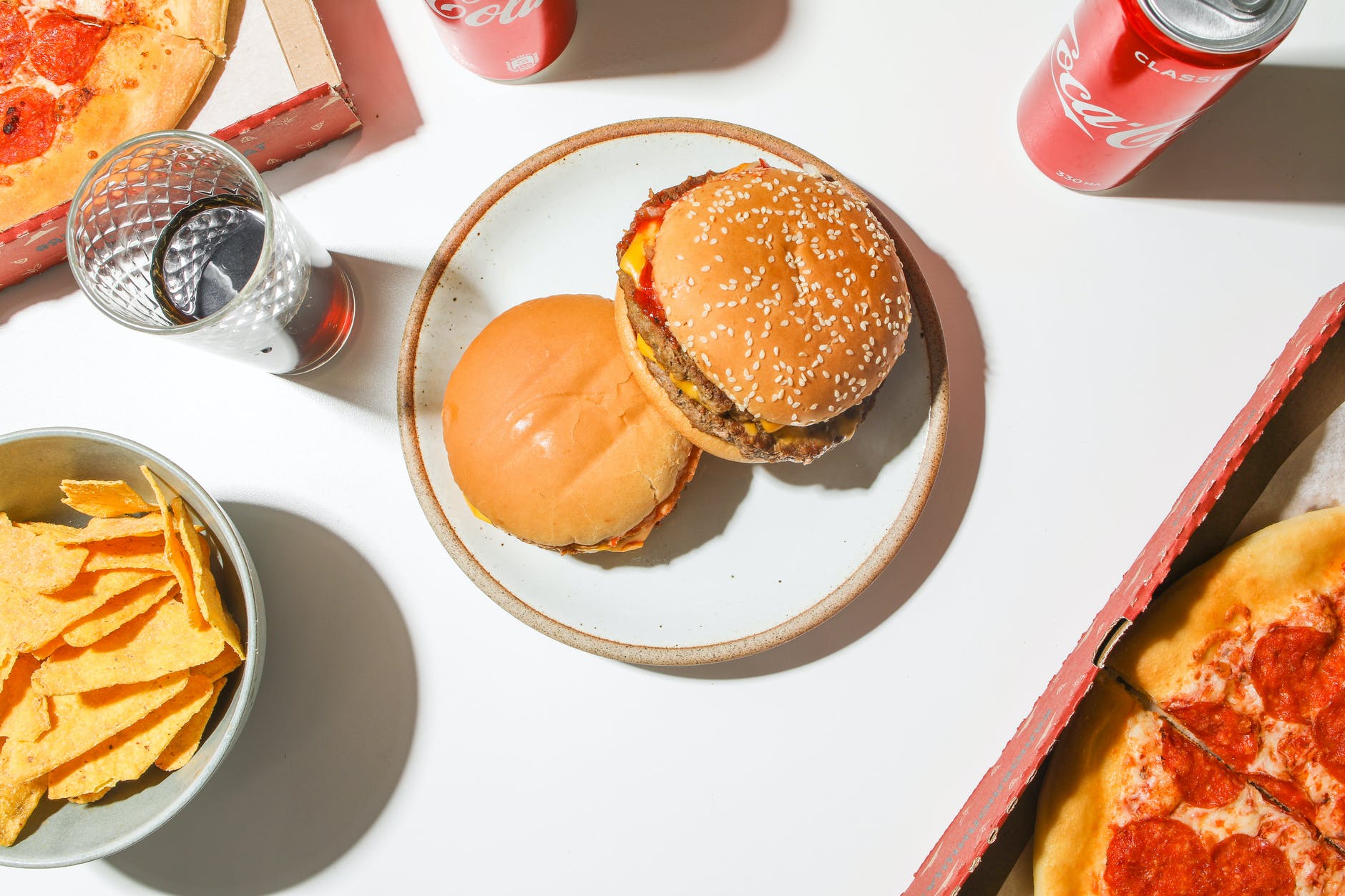
Obesity is a health issue for many Americans. The long-term effects of being overweight affect not only the individual but also society as a whole. For public and political reasons, being overweight has become a moral panic. Thus, the media, magazines, entertainment, and countless other forms of social communication have created an awareness of the Obesity epidemic. The author of the Political Economy of Obesity, Alice Julier, points out that we are living in a culture that “ties a slender appearance to social virtue. Because of this, doctors, pharmaceutical companies, and public health officials have found ways to capitalize on the moral panic that obesity has caused.
Healthcare officials have landed on both sides of the fence regarding the extent of the public health care crisis.
Sociologist Herbert Gans spent most of his career as a sociologist trying to figure out why the media demonize populations such as the poor and marginalized. He also focused on the “positive” function that poverty had on society. He set out to identify thirteen political and cultural tasks of poverty in the US. Author Alice Julier reflects on how easy it is to switch out the ideas of poverty for obesity. She sheds light on how both of the social problems have become functions of our society. “Phenomena; like the obesity epidemic can be eliminated only when it becomes dysfunctional for those who benefit from its construction or when the powerless abstain enough power to chance society”.(Julier, 2019)
Poverty and Obesity are two very unfortunate factors that contribute to the lives of many americans. They most certainly contribute to social differences as well as perpetuate differences in power.
Julier, A. (2019). The political economy of Obesity:The Fat Pay All. In 1C. Counihan, P. V. Esterik, A. Julier (Authors), Food and culture: A reader (pp. 462-479). New York, NY: Routledge.
 Sun Hugs